A Small Community, A Lasting Impact: The National Commission for Minorities Seminar
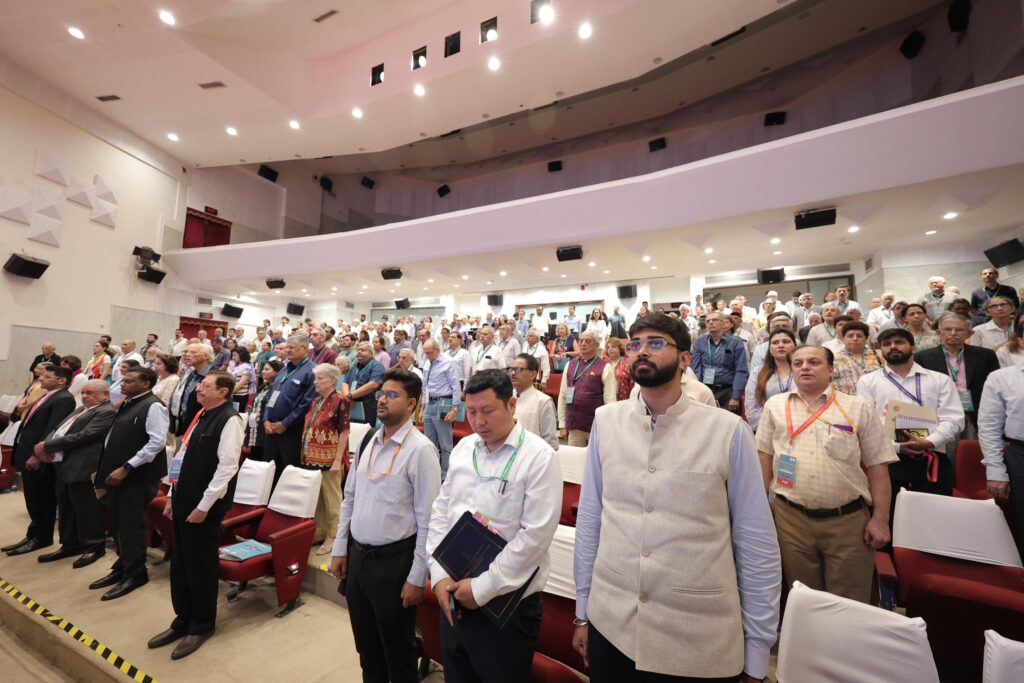
The National Commission for Minorities (NCM) organised a National Seminar on “Parsis in Modern India: Navigating Cultural and Socio-Economic Pathways” on 9th May 2026 at the Yashwantrao Chavan Centre, Mumbai. TISS PARZOR were the knowledge partners. Prof. Shernaz Cama, who conceptualised and curated the technical sessions and speakers, and Prof. Badri Narayan Tiwari, Vice Chancellor of Tata Institute of Social Sciences (TISS), Mumbai, were unable to attend due to ill health.
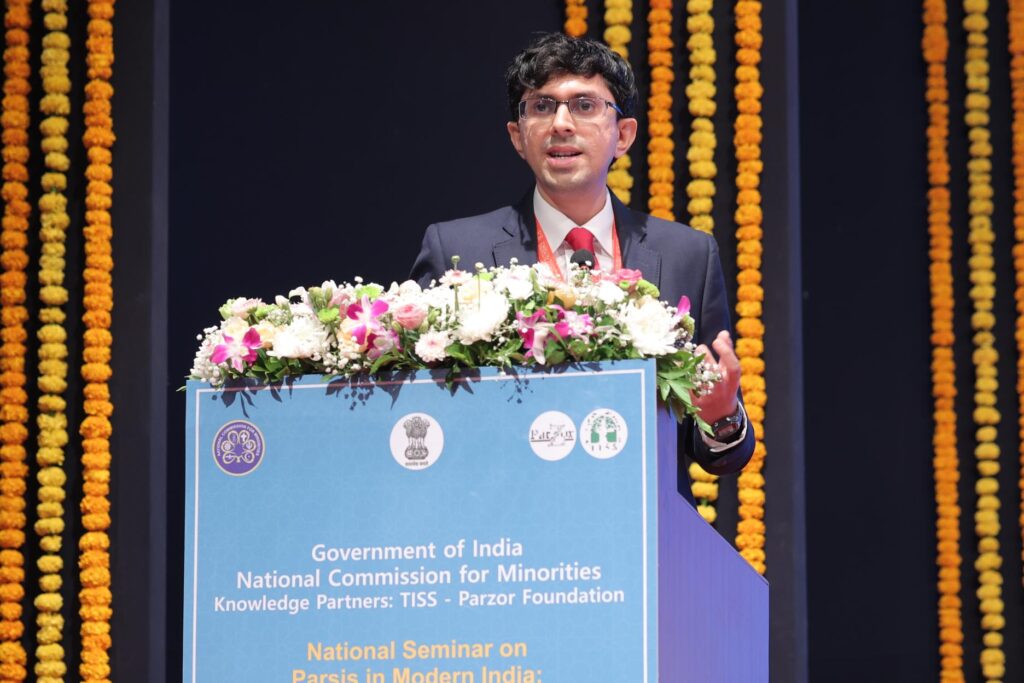
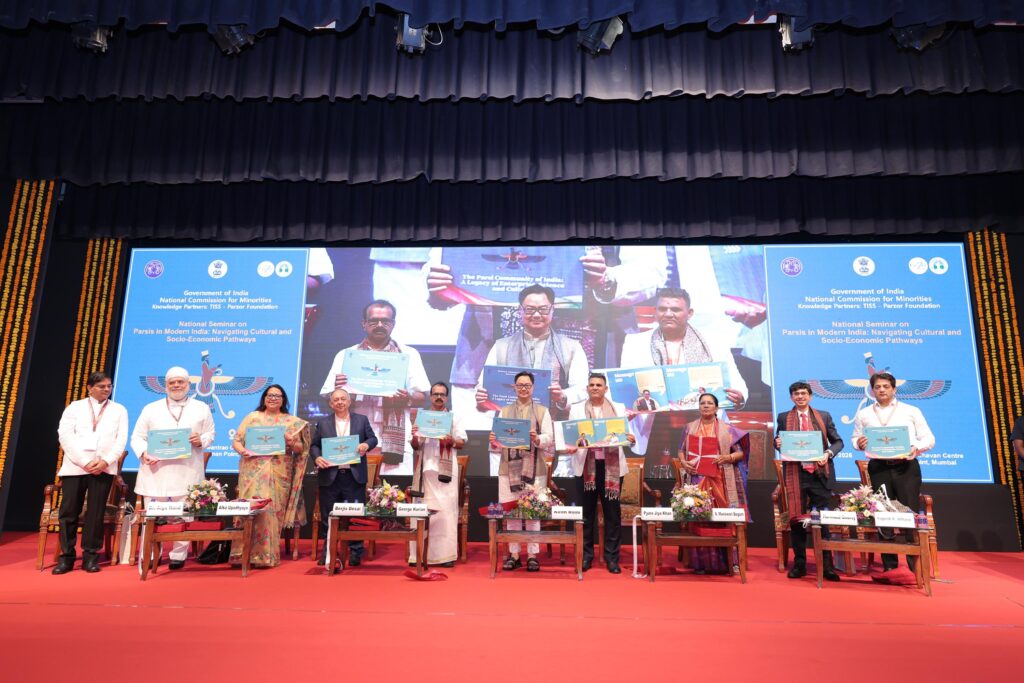
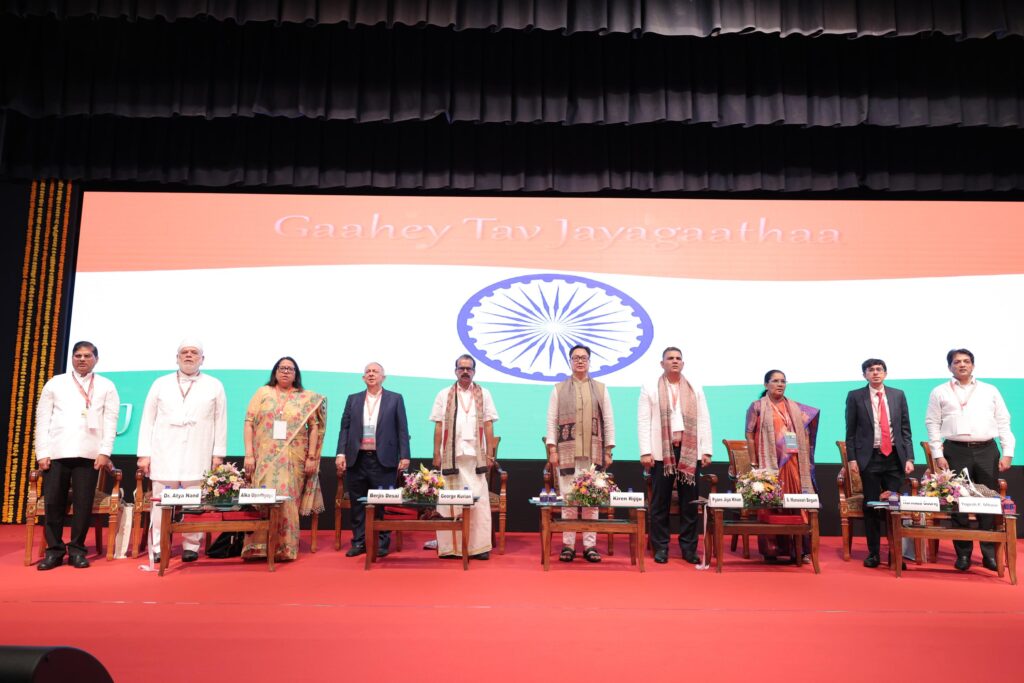
The dignitaries on the dais included Smt. Alka Upadhyaya, Secretary, National Commission for Minorities; Dr. Atya Nand, Joint Secretary, NCM; Shri Berjis Desai, Member, NCM; Vada Dasturji Khurshed Dastoor, Head Priest; Shri Hormazd Godrej, Managing Director, Godrej Agrovet Ltd.; Ms. S. Munawari Begum, Member, NCM; Shri Yogesh P. Mhase, Secretary, Minorities Development Department, Maharashtra, Shri George Kurian, Hon’ble Minister of State for Minority Affairs; Shri Kiren Rijiju, Hon’ble Union Minister for Parliamentary Affairs and Minority Affairs; Shri Pyare Jiya Khan, Chairman, Maharashtra State Minorities Commission.
Hormazd Godrej delivered a heartfelt and impactful address, thanking the Government for supporting research, development, and creating an environment conducive to growth. Describing India as “a salad and not a melting pot,” he explained that every community in India retains its own texture and flavour rather than losing its uniqueness. He also spoke passionately about learning Avestan and drew parallels between Avestan and Sanskrit, emphasising the importance of preserving the language.
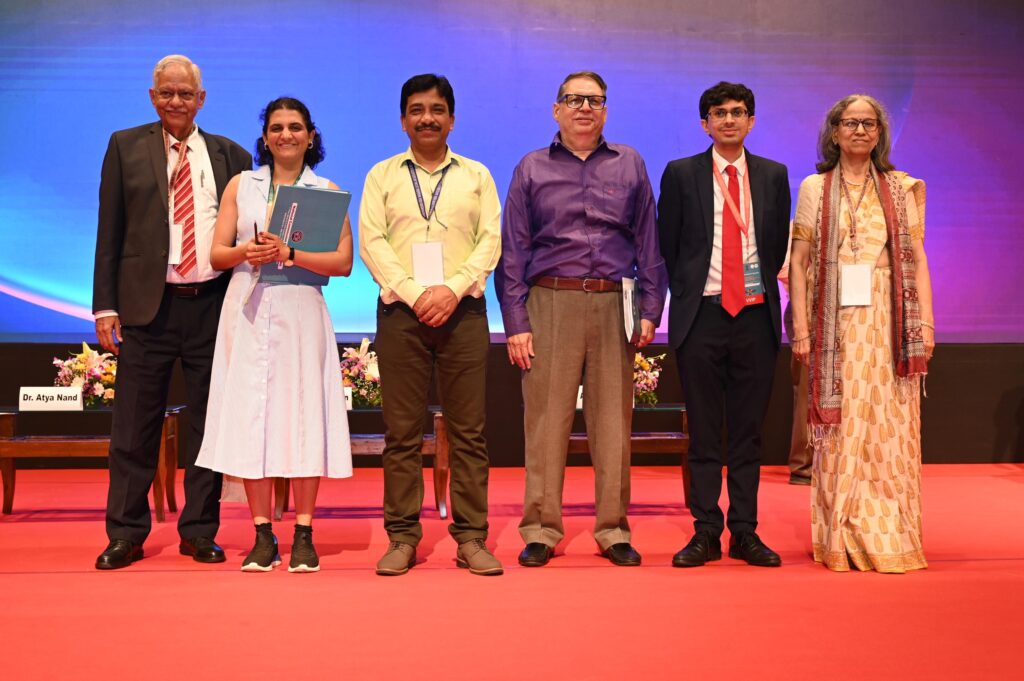
Mr Berjis Desai read out Prof. Shernaz Cama’s address, in which she reflected on the “predicaments of progress,” noting that rapid modernisation and globalisation had contributed to demographic decline. “Only one family in nine has a child below the age of ten,” she observed. Prof. Cama also drew attention to the issue of “hidden poverty” within the community, particularly among elders who are asset-rich but cash-poor and often fall outside the eligibility criteria of charitable trusts.
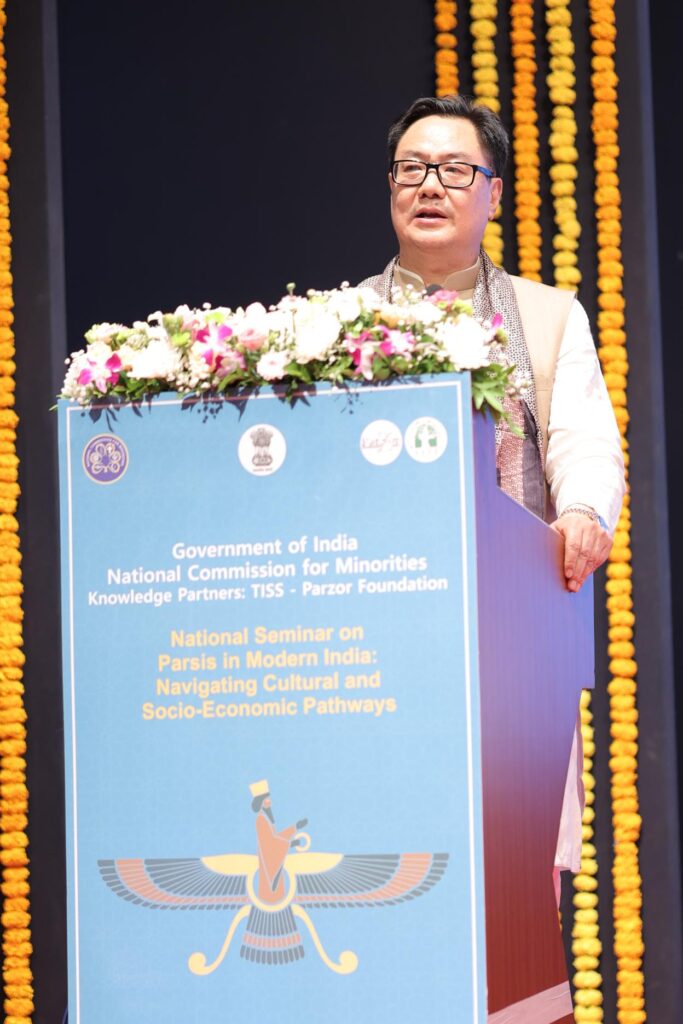
Shri Kiren Rijiju, in his keynote address elaborated on the Government’s efforts towards the rejuvenation of the Avestan language and measures to address the declining Parsi population. “It is not just about numbers; it is the impact that matters,” Shri Rijiju remarked. “The Government values every community and follows the dictum of Hon’ble Prime Minister Shri Narendra Modi — Sabka Saath, Sabka Vikas, which in the third term has been further strengthened with Sabka Vishwas and Sabka Prayas.” He also invited suggestions emerging from the seminar, particularly regarding strengthening the Jiyo Parsi scheme. The seminar included two insightful Technical Sessions moderated by Mr. Yazdi Tantra
Session 1: Cultural Identity and Preservation among Parsis in Modern India
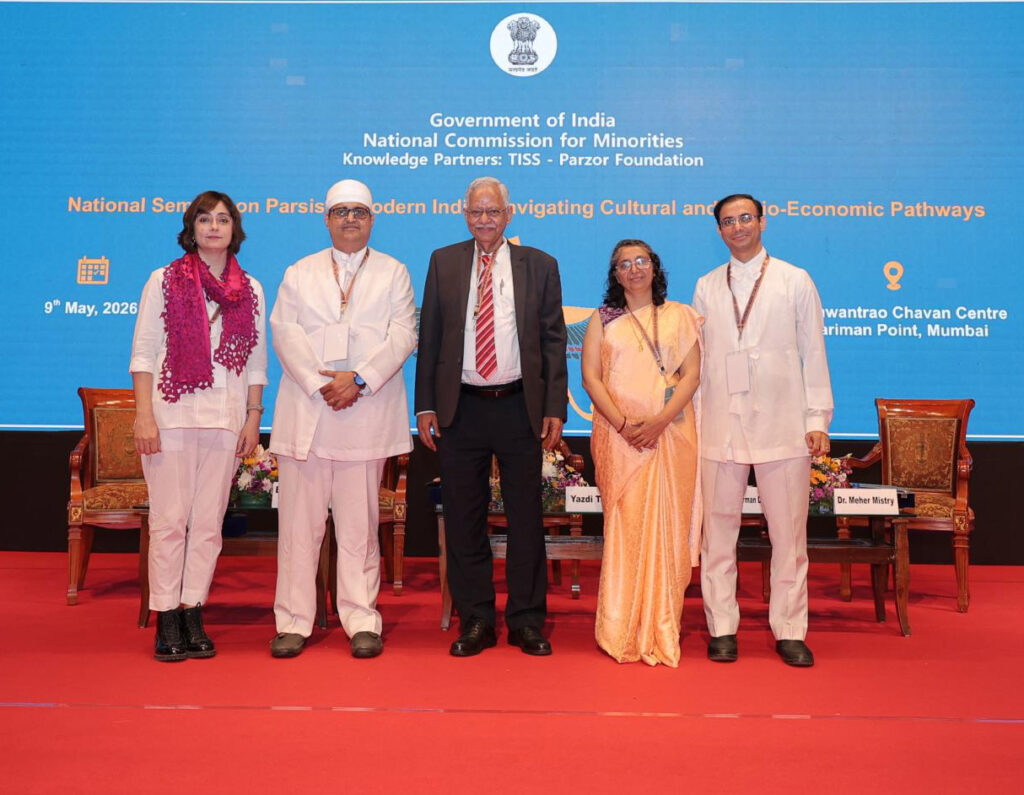
The session by Er Kerman Fatakia, Ms. Tinaz Nooshian, Dr. Meher Mistry and Dr. Kerman Daruwalla focused on preserving the Parsi community’s rich heritage, traditions, language, and identity
Session 2: Socio-economic Status and Challenges of Parsis in Contemporary India
Speakers including Shri Dinshaw Tamboly, Prof. Shalini Bharat, Ms. Pearl Mistry, and Prof. Nasreen Rustomfram noted strak demographic declines and mental health issues in the elderly Parsi population.
-Freny Daruwalla wrote this article in collaboration with PARZOR. The article was published in Jam-e-Jamshed.